A Crater Called Carroll
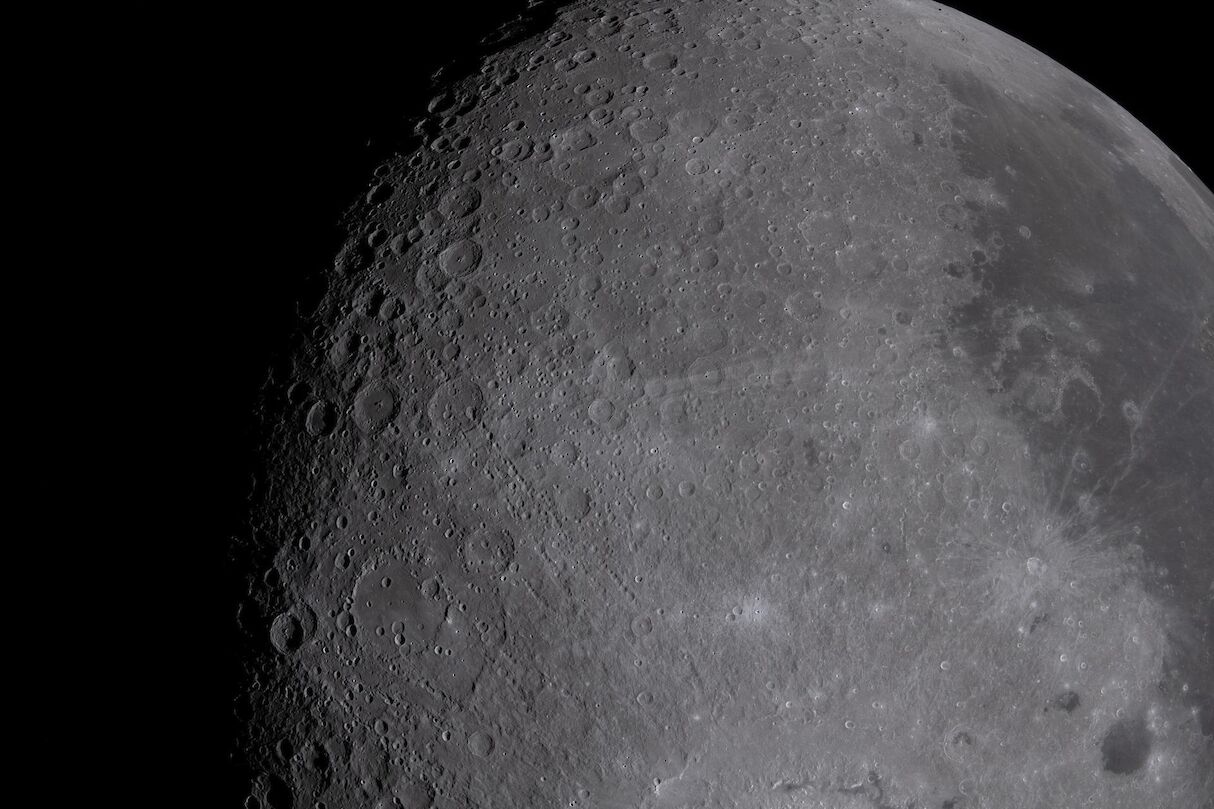
On Monday, somewhere between Earth and the moon, four astronauts floating in zero gravity wrapped their arms around each other and cried.
Canadian astronaut Jeremy Hansen had just radioed to mission control with a request from the Artemis II crew: they wanted to name two craters on the moon. One, he said, would honor the late wife of mission commander Reid Wiseman — Carroll Wiseman, who died of cancer in 2020 at just 46 years old.
"We lost a loved one," Hansen said. "Her name was Carroll, the spouse of Reid, the mother of Katey and Ellie."
He described the crater as "a bright spot on the moon."
Then he called it Carroll.
There's something that stops you when you hear that. A woman who spent her life caring for newborns in the NICU, who left behind two daughters and a husband who calls single parenting both his greatest challenge and his most rewarding chapter — she now has her name written into the surface of the moon. Permanently. Luminously.
Most of us will never get to name a crater. But that impulse — to find a place in the world, or beyond it, to put someone's name — is one of the most deeply human things grief asks of us.
It's the urge to say: you were here. You still are.
Symbolic memorialization doesn't require a spacecraft. It just requires intention. Here are some ways grievers have found to honor the people they love in the landscape of the living world:
Plant something. A tree, a garden bed, a single rosebush. Watching something grow in someone's name can feel like a quiet, ongoing conversation.
Name a star. Star registries aren't scientifically official, but they're personally meaningful — and there's something beautiful about looking up and knowing where to find them.
Release something into nature. Biodegradable lanterns, flower petals on water, seeds into the wind. Rituals of release can hold both the grief and the love at once.
Mark a place that mattered. A bench in a favorite park, a small stone in a garden, a hand-painted rock left on a trail. Somewhere that says he was loved here.
Create a living tradition. Cook their recipe every year on their birthday. Walk their favorite trail each fall. Some memorials aren't places — they're moments that return.
Write their name somewhere beautiful. In sand at the shoreline. On a card tucked into a library book. At the top of a mountain. It doesn't have to last forever to matter.
Reid Wiseman broke the record for the farthest distance any human has ever traveled from Earth — and he did it carrying Carroll with him.
Grief travels. It goes wherever you go. And sometimes, if you're lucky, you find a way to leave a mark that says: I loved someone. She mattered. Look — her name is right there, bright against the dark.
You don't need the moon. You just need somewhere to put it.
If you're navigating grief and could use a little support along the way, Help Texts sends gentle, research-informed messages right to your phone — whenever you need them. Learn more at helptexts.com.